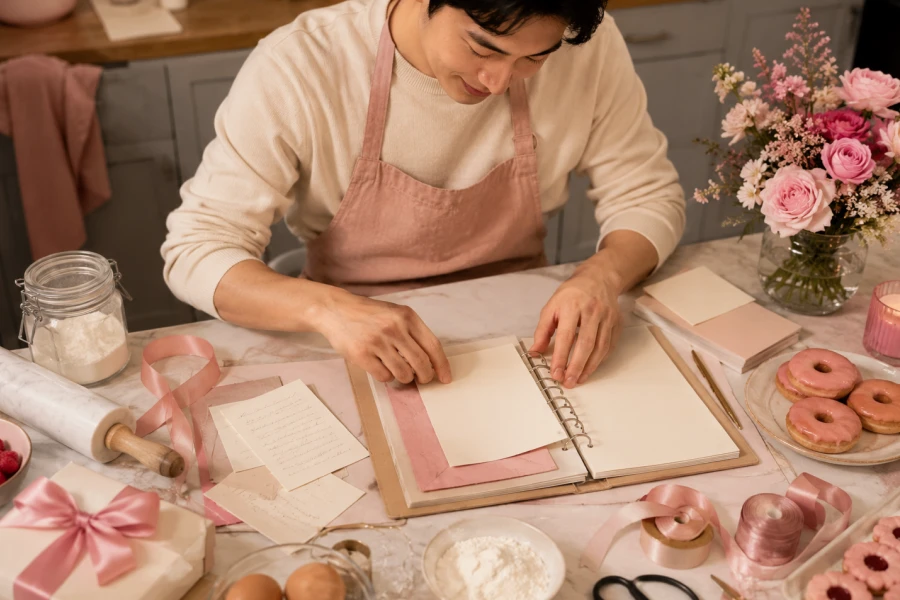
Recipe cards, saved messages, and scribbled notes often carry more meaning than people realize. Diy recipe book creation gives those fragments a place to live together. It transforms scattered kitchen memories into something clear, usable, and personal. The process does not require perfect handwriting or elaborate design skills. What matters is choosing details that feel true to the people involved. A recipe can stay simple while its story becomes richer. Gather materials slowly so the collection develops with purpose. Notice which dishes surface in different conversations and seasons. Those repeated foods usually deserve a central place. By the end, the collection can feel like a home archive built for everyday use.
Begin by gathering recipes from every source available to you. Look through handwritten cards, family group chats, old notebooks, and saved photos. You may discover several versions of the same beloved dish. That variety adds dimension to a recipe sharing tradition. Compare the versions without trying to force one official answer. A recipe’s changes can reveal who adapted it and why. Keep the language that makes each version recognizable. Then add enough clarity for another person to cook it confidently. This balance protects the original spirit while improving usefulness. The final pages can hold both tradition and practical direction.
Instructions explain how to make a dish, but details explain why it matters. Ask contributors what they remember about cooking or eating each recipe. They may mention a chipped bowl, a particular song, or a standing family joke. Capture those pieces in short introductions or side notes. Use sensory details sparingly so they feel natural rather than decorative. A few well-chosen words can create a complete scene. Keep the focus on the recipe and the people around it. Do not worry if memories conflict with one another. Different perspectives often make the collection feel more alive. Those voices give the finished pages their own distinctive rhythm.
The collection should feel finished enough to give and open enough to grow. Build in blank space for future changes, experiments, and borrowed recipes. An editable cookbook template can make additions feel simple instead of intimidating. Use recurring page elements so new entries match the overall format. Consider a small prompt beneath each recipe for notes or ratings. This makes the collection interactive from the first use. A recipient can record substitutions, successful variations, or new memories. Over time, the gift starts reflecting more than its original creator. That shared evolution gives it lasting emotional value.
Good layout does not need to compete with the food itself. Choose a clean structure that makes ingredients and instructions easy to follow. Use simple categories that match the way the recipient cooks. A book organized by occasions may work better than one organized by ingredients. Keep recipe titles clear and avoid overly decorative type treatments. Photographs can be useful, but they are never required for warmth. A meaningful note often adds more personality than a perfect image. Leave generous margins where a cook might write. The pages should feel calm rather than crowded. That comfort helps the book fit naturally into an active kitchen.
A recipe collection can bring people closer even when they live far apart. It creates a shared object that relatives and friends can contribute to over time. A recipe storytelling format gives long-distance connections a tangible shape. Invite people to send voice notes or written memories alongside recipes. Then turn those contributions into short, readable page details. The result can feel especially meaningful for milestone birthdays or family reunions. It also works well when someone is moving away or starting over. Food offers a familiar language when direct sentiment feels difficult. A collection becomes a quiet reminder that shared traditions can travel.
The best ending often points toward another meal rather than a final message. A creative cooking memento can include an invitation to choose a recipe and make it together. That invitation can be casual, practical, and easy to accept. You might mark one recipe as the first dish to try. Another page could name a future holiday meal to share. These details turn the gift into an opening rather than a conclusion. They make room for new stories without diminishing the old ones. Give the book in a way that feels relaxed and personal. The recipient will remember the thought behind it long after the first meal. That is how scattered notes become a lasting part of family life.



Leave a comment