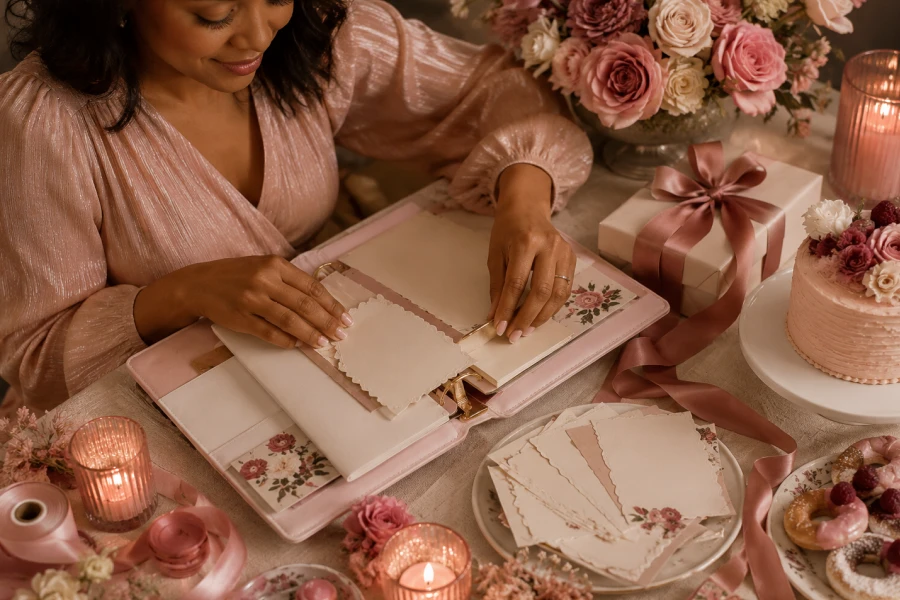
Some gifts disappear into a drawer after the celebration ends. Food memories, however, tend to stay close for years. That is why personalized recipe gift ideas feel unusually meaningful for people who love cooking. A favorite dish can recall a kitchen, a season, or someone deeply missed. You do not need professional recipes to make this gesture valuable. Instead, you are gathering flavors that already belong to a relationship. The value comes from recognition rather than flawless presentation. A warm soup recipe can matter more than an elaborate dessert. As recipients turn the pages, they notice the care behind every choice. That shift turns a simple collection into a gift with emotional weight.
Personal food stories give a present a sense of place. They show that you noticed the meals people return to repeatedly. A personalized recipe keepsake can include weeknight favorites, holiday rituals, and tiny kitchen shortcuts. Those details make the finished collection feel lived-in rather than staged. Consider the person receiving it before choosing the first recipe. Someone moving into a new apartment may appreciate reliable comfort meals. A new parent might value easy dishes that feel familiar. Grandparents often enjoy seeing family traditions carried into another generation. Even one recipe can become powerful when paired with a short memory. The result feels like an invitation back into shared time.
Begin by listing moments connected to food rather than searching for impressive recipes. Think about the pancakes served after sleepovers or the pasta made on rainy evenings. Those scenes usually reveal the strongest material for a family recipe collection. Ask relatives which dishes they remember without being prompted. Their answers may be surprisingly ordinary, which is exactly the point. A recipe for buttered noodles can carry more affection than a complicated centerpiece. Notice the phrases people use while describing each meal. Small comments about scent, weather, or company create a richer reading experience. Keep the tone relaxed and specific throughout the collection. That honesty gives the final gift its quiet charm.
A thoughtful recipe collection works because it records patterns people rarely name aloud. Perhaps one person always brings lemon bars to gatherings. Maybe another makes grilled cheese when someone has had a difficult day. These habits reveal care in practical, repeatable ways. You can add a sentence before each recipe to explain its place. Mention who taught it, when it appears, or why it matters. Keep each note brief enough to preserve the recipe’s usefulness. The tone should sound like a conversation across a kitchen counter. Photos are optional, but familiar details can make pages feel warmer. A collection becomes especially moving when it reflects several voices. That variety lets the recipient feel surrounded by shared history.
The best recipe gifts do not need to remain untouched on a shelf. Make the layout easy to scan while someone is cooking. Leave enough space for substitutions, notes, and future additions. A recipe memory book can feel polished without becoming precious. Use clear categories such as breakfasts, comfort meals, celebrations, or quick favorites. Group recipes by emotional purpose when formal categories feel too rigid. A page of “meals for hard weeks” can be deeply useful. Another page could collect dishes that always bring people together. Keep instructions readable and avoid adding unnecessary decorative elements. Practicality helps the recipient return to the gift again and again.
Birthdays and holidays are natural occasions for a recipe-centered present. Still, the best timing may be a quieter life transition. A student leaving home, a friend recovering from a move, or a sibling beginning a new chapter may welcome familiar food. The collection can offer comfort without becoming overly sentimental. Include recipes that fit the recipient’s current routines and confidence level. Add a few ambitious dishes only when they reflect genuine interests. Balance nostalgia with recipes they can actually make this month. A thoughtful page order can make the gift feel like a gentle progression. Start simple, then move toward celebration dishes and family favorites. That structure makes the gift both useful and emotionally generous.
Presentation should support the feeling of care already built into the pages. A kitchen legacy gift does not need expensive materials to feel special. Choose a clean format that matches the recipient’s everyday style. You might add blank pages for recipes they will discover later. That choice turns the gift into an ongoing family object. Give it with a favorite ingredient, a handwritten note, or a meal cooked together. The moment of sharing matters almost as much as the collection itself. Over time, new stains and annotations will make it even better. What began as a present becomes part of someone’s real cooking life.



Leave a comment